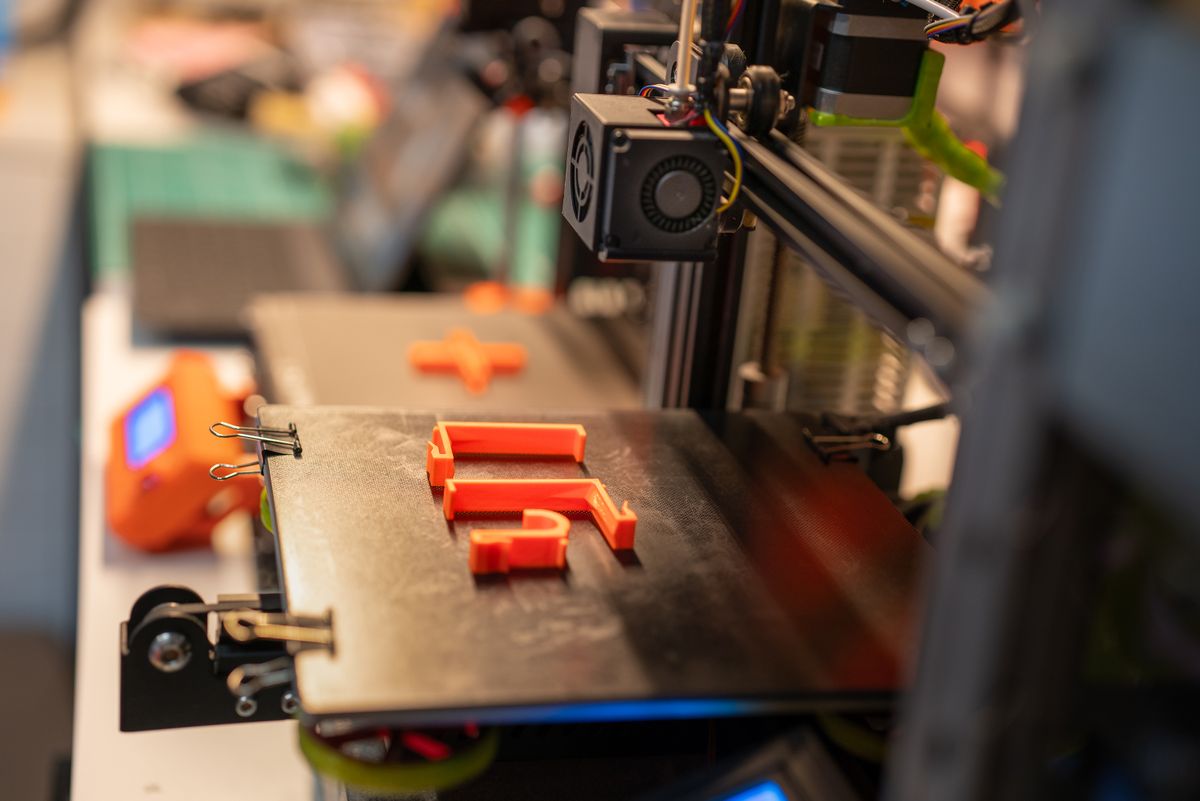
The most meaningful print we ever made cost eleven euros: a chunky, high-contrast grip that let an elderly customer open her kitchen jars again. No investor demo, no design award — just a small object that gave someone back a daily independence. Functional printing at its best is invisible like that.
Since then we have printed hundreds of everyday helpers: ergonomic pen grips for a calligrapher with arthritis, a one-handed book holder, cable guides for a wheelchair user, custom tool handles for a watchmaker, and a full set of labelled pill organisers for a care home. Each one started as a conversation, not a file.
Designed with, not for
Assistive prints only work when the user shapes them. We prototype fast and cheap — often two or three iterations in a week — and each round goes home for real-world testing before we commit to the final material. The loop is the product as much as the part.
Have a daily frustration?
If a mass-produced object almost fits your life, a printed adapter probably finishes the job. Describe the problem in a message — photos help — and we will tell you honestly whether printing is the answer and what it would cost.